The SEAI Non-Domestic Microgen Grant (NDMG) pays Irish businesses up to €162,600 towards installing solar PV. It covers systems from 1 kWp to 1,000 kWp and is open to businesses, farms, schools, public sector bodies, community centres and non-profits.
It is a different scheme from the €1,800 domestic solar grant - different rates, a different register, and a different application sequence with one step that catches businesses out. This guide covers the current rates, who qualifies, and how the process actually runs.
NDMG Grant Rates
The grant is based on the standard output of your system in kilowatt-peak (kWp). Rates are tiered, and the value accumulates as the system grows:
| Solar PV system | Grant value |
|---|---|
| 1 kWp | €900 |
| 2 kWp | €1,800 |
| 3 kWp | €2,100 |
| 4 kWp | €2,400 |
| 5 kWp | €2,400 |
| 6 kWp | €2,400 |
| 7 kWp - 20 kWp | €300 / kWp |
| 21 kWp - 200 kWp | €200 / kWp |
| 201 kWp - 1,000 kWp | €150 / kWp |
Note the plateau between 4 kWp and 6 kWp - all three attract €2,400. Below 7 kWp there is no grant benefit to sizing up from 4 kWp, which matters for small premises.
What That Means in Practice
| System size | Grant value |
|---|---|
| 7 kWp | €2,700 |
| 15 kWp | €5,100 |
| 20 kWp | €6,600 |
| 30 kWp | €8,600 |
| 50 kWp | €12,600 |
| 100 kWp | €22,600 |
| 200 kWp | €42,600 |
| 300 kWp | €57,600 |
| 500 kWp | €87,600 |
| 1,000 kWp (1 MWp) | €162,600 - maximum |
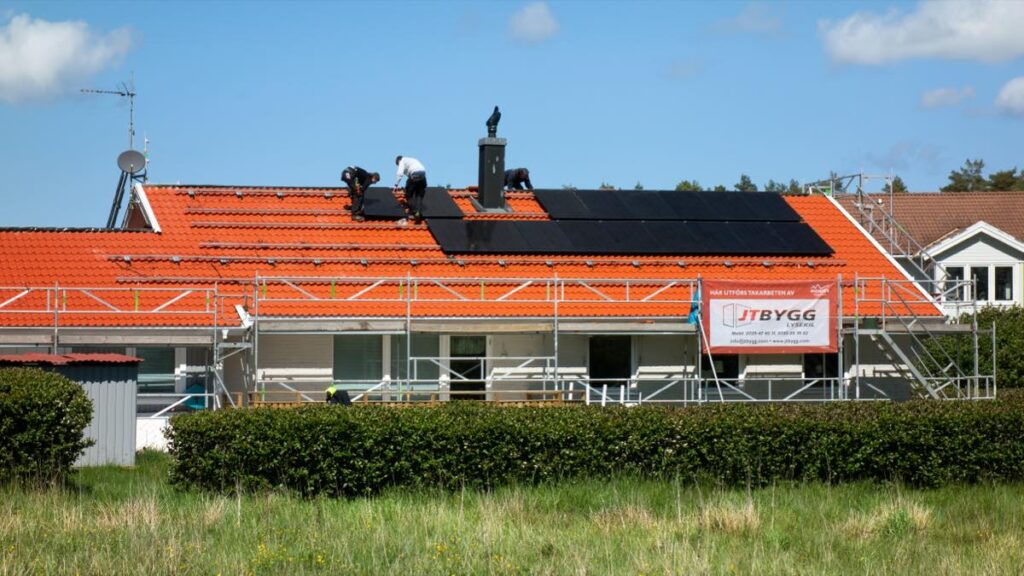
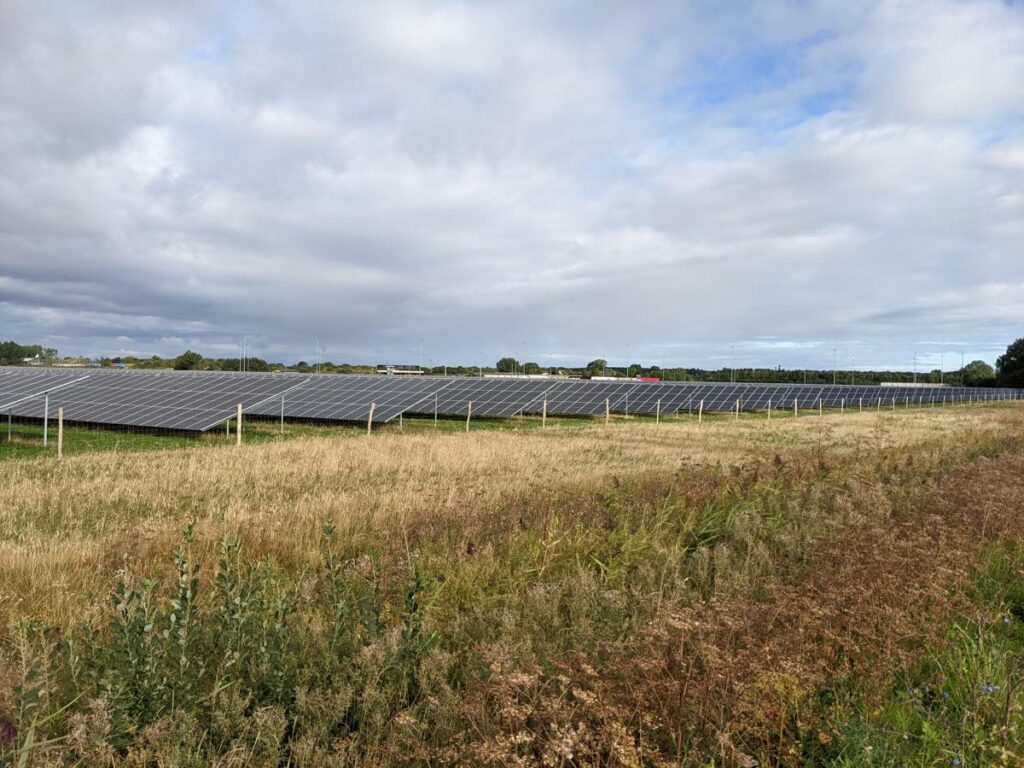
For scale, SEAI notes a typical 30 kWp system is around 75 panels across roughly 125 m² of roof. If your system is larger than 1,000 kWp you can still apply, but the grant is capped at €162,600.
Who Can Apply
- Businesses
- The agricultural sector
- Public sector bodies
- Schools
- Community centres
- Non-profit societies
Critically, and unlike the domestic scheme, there is no property-age restriction. The “built before 2021” rule that rules out so many homeowners does not apply to non-domestic premises.
How NDMG Differs From the Domestic Grant
| Domestic solar grant | NDMG (business) | |
|---|---|---|
| Maximum | €1,800 | €162,600 |
| Property age limit | Built before 2021 | None |
| Contract before applying | Not required | Required |
| ESB Networks application | Handled at connection | Before install - 4+ weeks |
| Tax clearance | N/A | Needed above €10,000 |
| Register | Domestic | Non-Domestic |
The NDMG is a standalone scheme with its own Code of Practice, terms and document templates. Paperwork from the domestic scheme is not interchangeable.
The Application Process
- Appoint a registered Non-Domestic Microgen company. Choose from SEAI’s Non-Domestic register and agree a formal contract before you apply. This trips businesses up - on the domestic scheme you can apply first, but here the contract comes first. SEAI recommends quoting several registered companies.
- Apply to SEAI for a grant offer. Applications are online. Your offer is valid for eight months from the date you receive it. Check your BIC and IBAN carefully - SEAI flags incorrect bank details as a common cause of payment delays.
- Wait for the letter of offer before any works start. Starting early forfeits the grant.
- Your company applies to ESB Networks. This must happen before installation and takes at least four weeks (20 working days). It is the single biggest scheduling factor in the project.
- Install the system once the ESB connection is approved.
- Your company submits evidence of works to SEAI electronically. SEAI cannot begin processing until every document is uploaded, so push your installer to submit within a few days of completion.
- SEAI processes payment - allow four to six weeks from receipt of complete documentation, plus additional time if the works are selected for inspection.
The Tax Clearance Requirement
Under Department of Finance circular 44/2006, if you receive more than €10,000 in grants or similar payments from a government body in a calendar year, you need a Tax Clearance Certificate. Any NDMG grant on a system of roughly 40 kWp or more will cross that threshold, so most commercial applicants will need one. Apply through Revenue’s eTC system - business customers via ROS. Sort it early; it is a routine step that becomes a delay when left to the end.
Stacking the Grant With Tax Relief
The NDMG is not the only support. The Accelerated Capital Allowance lets a business write off 100% of qualifying energy-efficient equipment against taxable profits in year one. The two stack: on a €120,000 100 kWp system, the €22,600 grant plus first-year ACA relief brings the effective net cost to roughly €85,000.
Add the Clean Export Guarantee for surplus generation and the picture improves further. Our breakdown of commercial solar installation costs works through the numbers, and our commercial solar ROI guide covers payback periods.
Key Points
- The NDMG pays up to €162,600 for systems from 1 kWp to 1,000 kWp.
- Open to businesses, farms, schools, public bodies, community centres and non-profits - with no property-age restriction.
- You must agree a contract with a registered company before applying - the reverse of the domestic scheme.
- The ESB Networks application must precede installation and takes at least four weeks.
- Grants above €10,000 require a Tax Clearance Certificate.
- Grant offers last eight months; payment takes four to six weeks after complete documentation.
Mitros Solar Ltd is on SEAI’s Non-Domestic Microgen register (registration number 50618, covering all counties), so installations we carry out qualify for NDMG support. To discuss a system sized to your consumption and have the grant paperwork handled properly, talk to our engineering team or read about our commercial solar service.
The Grid Connection Usually Sets the Timeline
On commercial projects the grant is rarely what governs the programme. The ESB Networks connection is. Up to 6 kVA single-phase or 11 kVA three-phase you are in microgeneration and an NC6 notification is sufficient. Above that you move to an NC7 application, which carries a fee and requires a formal connection offer before the system can be energised. That offer can come back with an export limit below what your roof could physically produce. This is handled by our grid infrastructure team.
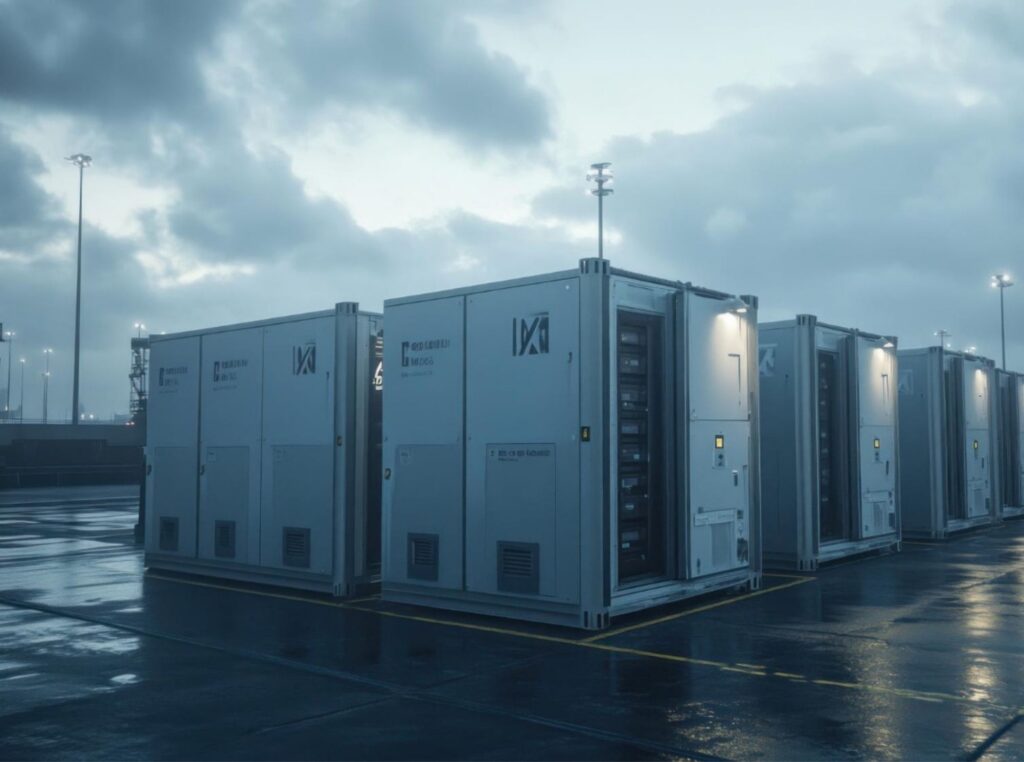
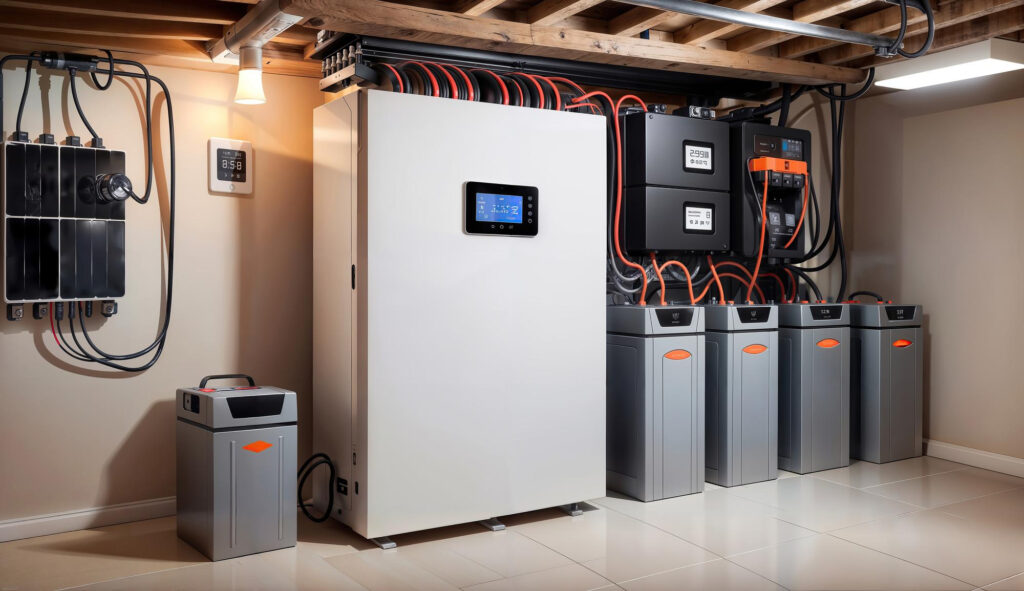
Where export is capped, adding storage is often what recovers the business case, because generation that cannot be exported can be shifted into evening load instead of being curtailed. See battery storage and BESS. For agricultural holdings, which are concentrated in our home county, see solar panels in County Tipperary. Grant eligibility depends on using a registered installer, explained in is Mitros an SEAI registered solar installer.
Deciding between installers? See what Mitros customers say, rated 4.6 out of 5 from 70 verified Trustpilot reviews.